The Senate Health, Education, Labor and Pensions (HELP) Committee voted July 30 to approve $78 million in mandatory funding for the Department of Labor’s Employee Ownership Initiative (EOI). This dramatic expansion of the EOI would be a monumental leap forward in the program’s reach and ability to protect American jobs as the country faces the Silver Tsunami business succession crisis. The bill now moves to the full Senate for consideration.
The funding, included in an amendment to S. 3333 offered by HELP Committee Chairman Bill Cassidy and supported by Ranking Member Bernie Sanders, would be provided from fiscal years 2027 through 2032. The bipartisan agreement would also extend the initiative through fiscal year 2035 and authorize an additional $63 million in discretionary funding, bringing potential total funding to $180 million over the next 10 years.
For employee owners, the vote represents an important step toward helping more workers benefit from ownership at a crucial moment for American businesses.
An estimated 2.5 million baby boomer business owners are expected to retire during the next decade. Without a clear succession plan, many otherwise successful companies could be sold, relocated, broken apart or closed. At the same time, American workers face significant challenges building enough savings for retirement.
ESOPs can help address both problems. By selling a business to its employees, an owner can preserve the company’s legacy while keeping jobs and economic activity in the local community. Employees gain a meaningful ownership stake and an additional source of retirement security, while businesses often benefit from a more engaged and productive workforce.
Congress created the Employee Ownership Initiative through the bipartisan WORK Act, sponsored by Sens. Bernie Sanders and Jerry Moran and enacted as part of SECURE 2.0 in 2022. The program supports state and local education, outreach and feasibility studies designed to introduce more business owners and workers to employee ownership.
With sufficient time and resources, the initiative can maximize Congress’ bipartisan intent to strengthen workers’ retirement security, keep jobs rooted in their communities, and preserve American businesses by promoting ESOPs.
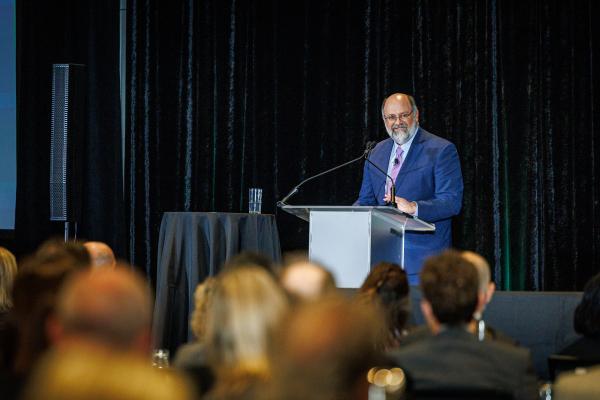
“We are deeply grateful to Chairman Cassidy and Ranking Member Sanders for working with The ESOP Association to expand the reach of the Employee Ownership Initiative at DOL,” said James Bonham, President and CEO of The ESOP Association. “Addressing the wave of retiring baby boomers who must transition their businesses to new owners in the next ten years is reaching a crisis level. Nearly 1 out of every 6 American jobs is at risk in this transition. By dramatically raising awareness of ESOPs, Congress is recognizing that the best way to keep these jobs in our local economies is to encourage business owners to sell to their employees through an Employee Stock Ownership Plan rather than selling out to a foreign investor or private equity.”